
 by Laura Hayes
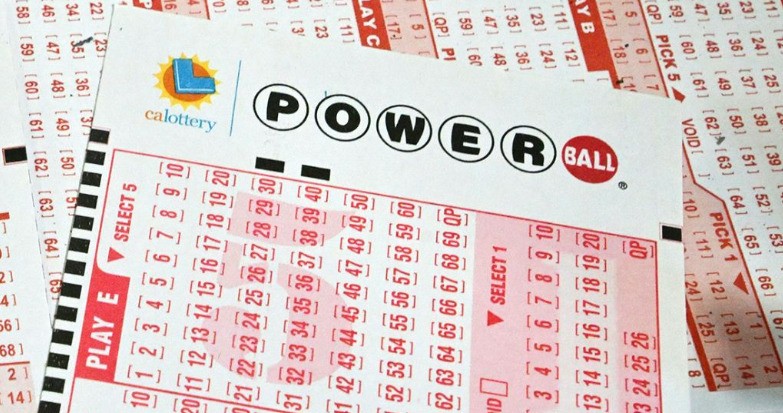
A single ticket has landed a $1.7bn+ Powerball jackpot, making it one of the biggest lottery wins ever recorded in the United States. The winning numbers ended a long rollover run that pushed the prize into headline-grabbing territory.
For anyone outside the US, Powerball is one of America’s two major national lotteries, alongside Mega Millions. It’s available in 45 US states, Washington DC, Puerto Rico, and the US Virgin Islands, with draws held three times a week.
The winning numbers were drawn in late December, with the jackpot claimed by a ticket sold in Arkansas, according to CNN.
How Powerball works (in simple terms)
To play Powerball, you pick five numbers from 1–69 and one Powerball number from 1–26. Match all six, and you win the jackpot. Tickets cost $2, with optional add-ons that can boost the odds of smaller prizes.
The odds of winning the top prize are long, roughly 1 in 292 million, which is why jackpots can grow so large when no one wins for weeks or months.
Lump sum or annuity? The big decision
While the advertised jackpot sits above $1.7bn, the winner won’t actually receive that amount upfront. Winners can choose between:
- a lump-sum cash payout (usually around 45–50% of the headline figure), or
- an annuity, paid out over 30 years.
Most winners opt for the cash option, even though it’s significantly lower, because of its flexibility and tax planning benefits.
Why Powerball jackpots get so much attention
Huge Powerball wins tend to spill beyond lottery fans and into the wider gambling conversation. They highlight how US lottery systems work, how prize pools rollover, and why headline odds differ so much from sportsbook odds.
They also reignite debates around winner anonymity, taxation, and how sudden wealth is handled across different US states.
For now, the focus is on where the winning ticket was sold and whether the winner chooses to step forward publicly, a decision that varies by local law.
Laura is an experienced writer specializing in sports betting and online casinos. With years of industry knowledge from her time at Freebets.com and CanadaCasinos.ca, she now focuses on providing clear, actionable insights to help readers make smarter betting decisions.

