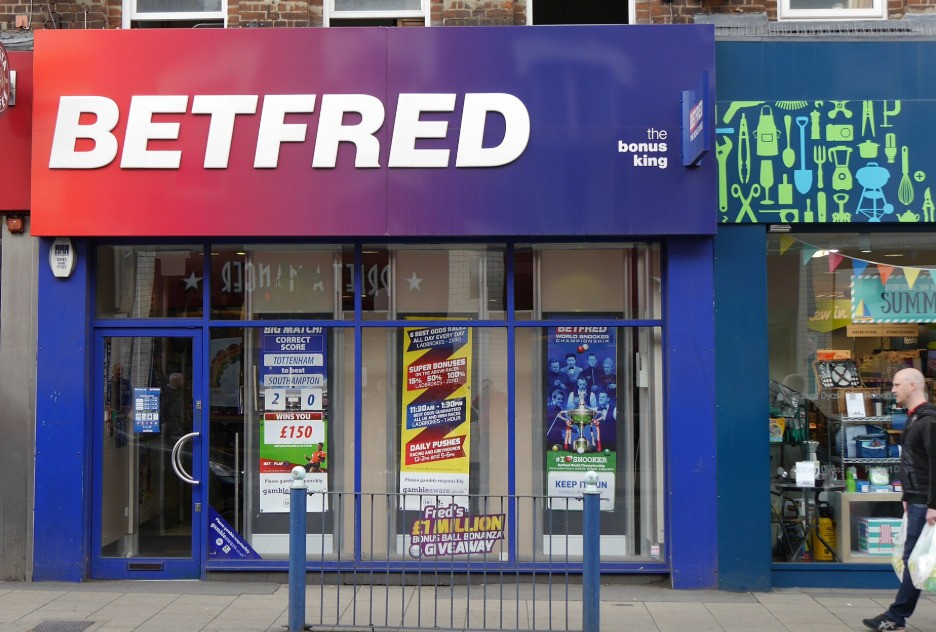
Betfred has opened a consultation over plans to close 132 UK betting shops, putting around 600 jobs at risk and cutting its retail estate to roughly 1,090 branches.
The proposal affects more than one in ten Betfred shops. The damage could also extend beyond the company, with the closures estimated to remove around £4 million a year from British racing through lost levy and media-rights payments.
| Betfred closure plan | Figure |
|---|---|
| Shops facing closure | 132 |
| Jobs at risk | Around 600 |
| Shops remaining | Around 1,090 |
| Estimated annual loss to racing | Around £4 million |
| Consultation announced | July 31, 2026 |
What Has Betfred Announced?
Betfred began consulting staff on July 31 over the proposed closure of 132 branches. Chief executive Jo Whittaker blamed higher employer National Insurance contributions, wage inflation, gambling taxes, and wider economic uncertainty.
Whittaker said Betfred had tried to protect the affected shops but that the combined cost pressure had “left us with no choice”.
Founder Fred Done said the company once operated around 1,650 shops. Its estate would fall to approximately 1,090 if all 132 closures go ahead, meaning Betfred will have shut close to 600 branches in six years.
This is still a proposal rather than a completed closure programme. The consultation process could affect the final number of shops and jobs involved.
The Tax Argument Is Not Quite That Simple
Betfred has placed rising gambling taxes near the centre of its explanation, but the tax changes don’t apply directly to bets placed over the counter in its shops.
Remote Gaming Duty, which covers products such as online casino games and slots, increased from 21% to 40% on April 1, 2026. A new 25% rate for most remote sports betting will follow on April 1, 2027.
In-person bets and bets placed through self-service betting terminals will remain subject to the existing 15% General Betting Duty rate. Remote bets on UK horse racing are also excluded from the increase.
That allows the government to argue that it protected high-street betting from direct increases in duty.
Betfred’s counterargument is that shops do not exist separately from the wider business. Higher online taxes, employer costs, wages, compliance spending, and weaker economic conditions all reduce the funds available to support branches with thin profit margins.
Both points can be true. Retail betting duty has not increased, but the cost of operating a bookmaker across several channels has.
The result is familiar: branches with the weakest returns are the first to go.
What the Closures Mean for Betting Shop Customers
Customers in affected areas will either have to travel further, move their betting online, or stop using Betfred.
That matters most to people who still place cash bets, collect winnings in person, follow racing in the shop, or prefer to speak to staff rather than use an online betting app. Online accounts can replace the bet slip, but they don’t fully replace the betting shop experience.
The market was already moving away from counter service before Betfred announced the closures.
Gambling Commission data for January to March 2026 showed that over-the-counter betting volume fell by 3% compared with the same period in 2025. Gross gambling yield from those bets dropped by 18%.
Bets placed through self-service terminals increased by 6%, while online gambling yield rose by 7%.
The figures suggest that retail betting is both changing and shrinking. Customers who remain in shops are placing more bets through screens, while a growing share of the industry’s money is generated online.
Why British Racing Could Lose £4 Million a Year
Each Betfred branch is estimated to generate around £30,000 a year for British racing through a combination of levy and media-rights payments.
Multiplying that figure across 132 shops produces an estimated annual loss of close to £4 million.
The £30,000 figure is an industry estimate rather than an official forecast from the Horserace Betting Levy Board. It also combines two different income streams.
The statutory levy is linked to bookmakers’ profits from British horse racing. Media-rights payments cover the pictures and data shown in shops. A closure can reduce both, especially when some customers do not transfer their racing bets to another shop or online account.
This is the part of the story that goes beyond Betfred.
British racing depends on betting operators for a large share of its income, yet the physical network selling and showing racing continues to contract. Protecting retail racing bets from the new 25% remote duty does not protect racing from the loss of betting shops themselves.
Britain’s Betting Shop Network Keeps Shrinking
Great Britain had 5,669 licensed betting shops between October and December 2025, according to the latest published Gambling Commission premises figures. That was down from 5,825 during the 2024/25 financial year.
The proposed Betfred closures alone are equivalent to more than 2% of that national total.
Betfred is not acting in isolation. Other large operators have also cut shops, staff, or both. The closures point to a wider judgement being made across the sector: maintaining a large retail estate is becoming harder to justify when operating costs are rising and more customers are betting online.
Retail betting is not dead. Non-remote betting still generated £613 million in gross gambling yield between October and December 2025.
But the network is getting thinner.
Betfinder Take
This isn’t as simple as a new tax on betting shops forcing 132 of them to close.
The government deliberately left in-person betting duty unchanged. It also almost doubled online casino duty, raised employment costs, and created a higher tax rate for most online sports betting from 2027.
Betfred has responded at group level. Shops may have escaped the direct tax rise, but they have not escaped the consequences of a more expensive business model.
For customers, that means fewer local branches and another push towards online betting. For racing, it means an estimated £4 million funding hole. For Betfred, it means dismantling part of a shop network that took almost 60 years to build.
The next number to watch is not only how many of the 132 branches close. It’s how many rival bookmakers decide to follow.